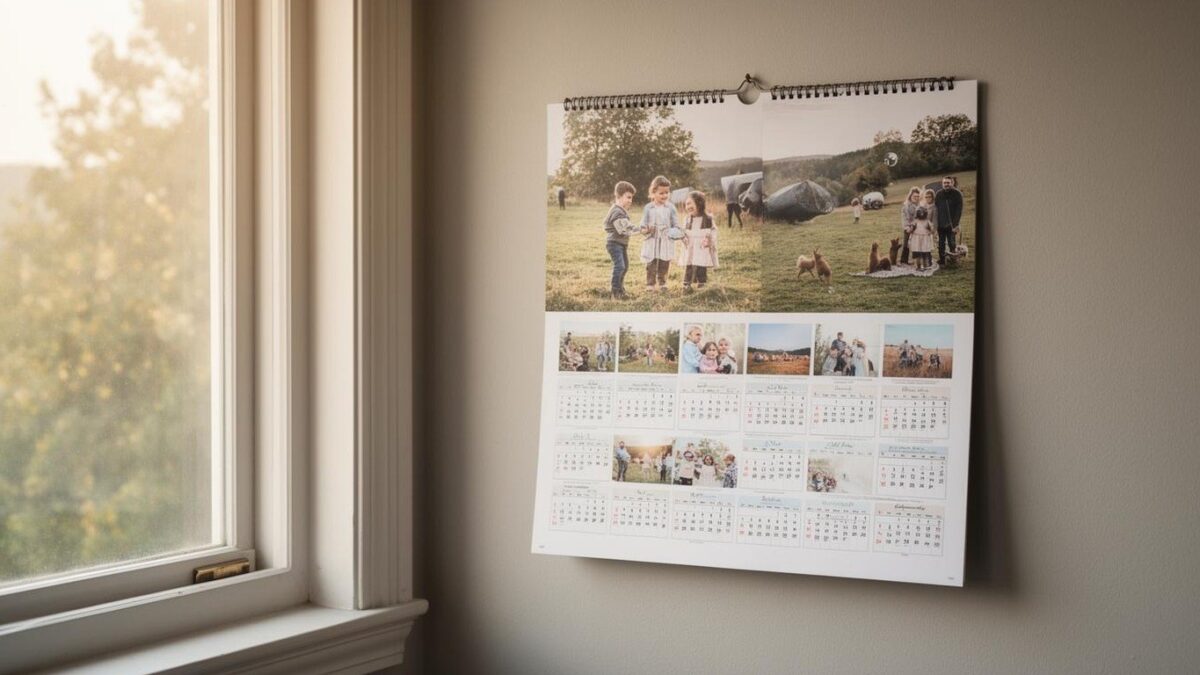

A favorite photograph printed large can change the look of a room, and the material it is printed on changes the character of the image. A canvas gives a soft, painterly texture. A metal print gives a sharp, luminous surface with deep color. A paper print offers a classic finish that suits frames and albums. Each option looks different in daylight and in lamplight, and each carries its own costs for framing, hanging and long-term care.
This guide compares canvas, metal and paper prints for gift printing. It explains how each material looks and behaves, what it costs to frame or display and how to choose the right format for a particular photo and room. It describes general characteristics and does not recommend a specific printer. Ask the service for samples, if possible, and check their specifications before ordering.
A family orders a large canvas of a favorite beach photo, then finds the glossy metal print would have suited the room better. The choice of material changed the whole feel.
Canvas: texture and warmth
Canvas prints reproduce a photograph on fabric that is usually stretched over a wooden frame. The woven texture softens the image and gives it a warm, painterly quality, which suits landscapes, portraits and images with a nostalgic feel. Canvas can be hung without a glass frame, which keeps the look clean and modern.
The texture also shows fine detail differently. Very small text or sharp architectural lines can look softer on canvas than on paper. Check the image at the final size and consider whether the photo suits the softer finish.

Metal: sharp color and depth
Metal prints transfer the photograph onto a thin sheet of aluminum with a special coating. The result is bright, sharp and luminous, with deep blacks and vivid colors that many people find striking. Metal is durable and resists moisture, which makes it suitable for rooms that get some humidity, though it should still be kept away from direct water.
Metal shows reflections more than canvas or paper. In a room with strong overhead light or a window behind the print, the surface can glare. Position the print so that the light falls across it at an angle, and check the look in the room before you hang it.
Paper: classic and flexible
Paper prints are the most traditional option. They can be framed behind glass or placed in an album, and they suit family photographs, black and white images and anything that will be handled. A paper print can be changed easily, since the frame can be opened and the picture replaced. This flexibility is useful for a gift that the recipient may want to update.
Paper is more sensitive to light and moisture than metal. Protect it with UV-filtering glass when you frame it, and keep it away from direct sun and damp areas. Acid-free mats and backing boards help the print last longer.
- Canvas. Look: Soft, textured, warm. Durability: Good indoors. Framing needs: Often ready to hang.
- Metal. Look: Sharp, bright, luminous. Durability: Strong and moisture resistant. Framing needs: Usually displayed without glass.
- Paper. Look: Classic and flexible. Durability: Needs protection from light. Framing needs: Needs a frame, ideally with UV glass.
Costs for framing and display
The print price is only part of the cost. Canvas may need a hanging system, while metal often needs a set of standoffs or a mounting kit. Paper prints need a frame, a mat and possibly UV glass, which can add a substantial cost. Compare the total price of the display, not only the print itself.
Check the size and the shipping cost. Large prints are expensive to ship and may require a special box. Ask whether the service offers a framing option, and compare it with a framer you can visit, since the results and prices can differ.
Choosing for the photo and the room
Match the material to the photograph. Soft, textured images such as a misty forest or a portrait with warm light often suit canvas. Bright, graphic images, such as a city skyline or a bold color field, suit metal. Family snapshots and black and white photographs often look best on paper in a classic frame.
Think about the room. A busy kitchen may suit metal, which handles splashes better than paper. A bedroom with soft light may suit canvas. A gift for a formal study may suit a framed paper print behind glass.
Our guide to photo book sizes and paper choices compares paper options for albums, and preparing photos for gift printing explains the resolution and crop checks that apply to any large print.
Framing a canvas or paper print
Canvas prints are usually ready to hang, but some services offer a floating frame or a border. A thick canvas needs a hanging kit with a secure rail or hook, and the weight should be checked against the wall. Paper prints need a frame, a mat and a backing, and the mat should be acid-free to protect the image. Choose the frame color and width to suit the photo and the room.
Hanging height and placement
Hang a print at a height that suits the room, typically with the center of the image near eye level. Above a sofa or a bed, leave a comfortable gap between the furniture and the print. Use a level and mark the position before drilling. Check the wall type and use the correct anchor, and avoid placing metal or large prints where a door or a moving chair can hit them.
Bottom line
Canvas gives warmth and texture, metal gives sharp color and depth and paper offers a classic, flexible finish that is easy to reframe. Choose the material that suits the photo and the room, and remember that the frame or mounting adds real cost. Check the image at its final size, position metal away from harsh glare and protect paper from light. The right print turns a favorite moment into a piece of art the recipient will enjoy for years.
Print material mistakes
- Choosing a material from a screen image alone.
- Hanging a metal print where glare will fall on it.
- Framing paper prints without UV-filtering glass.
- Ignoring the framing and mounting cost in the total price.